How temporary shows work at Pitti
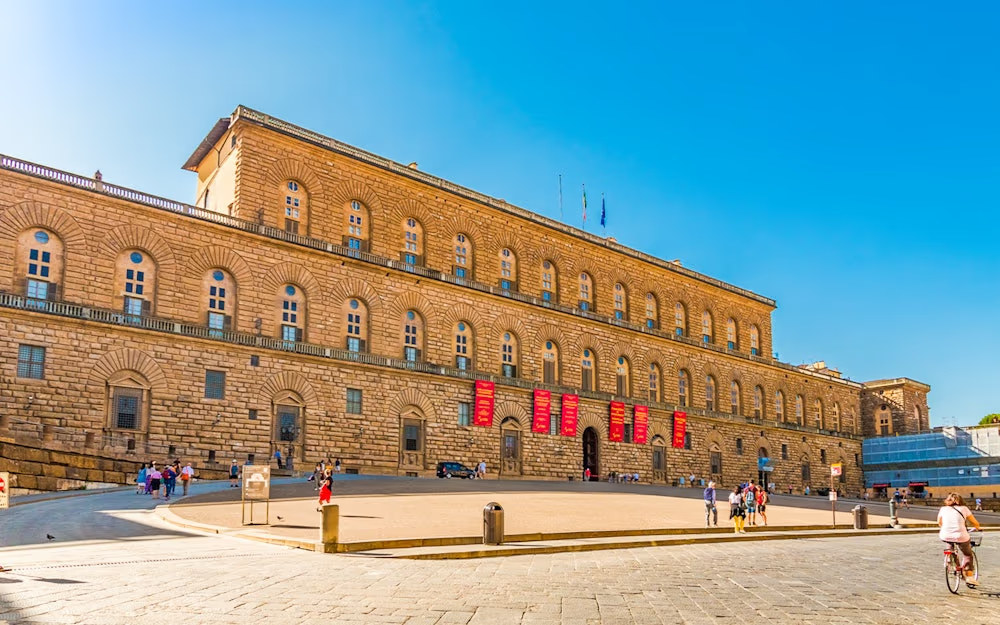
The Pitti Palace is one of the venues of Le Gallerie degli Uffizi, and the museum complex uses it as its main stage for temporary exhibitions — the Uffizi building across the river has far less spare wall. Shows slot in around the permanent collections, so an exhibition visit is never a separate trip: you walk into it on the way through the five museums.
Four spaces host most of the programme:
- Gallery of Modern Art (second floor) — the largest exhibition rooms, used for painting and sculpture shows that dialogue with the 19th-century collection.
- Museum of Costume and Fashion — fashion and textile exhibitions; its displays change constantly anyway (more below).
- Treasury of the Grand Dukes (ground floor) — decorative arts, goldwork and design shows among the frescoed summer apartments.
- Andito degli Angiolini — a suite of smaller rooms dedicated to focused, single-theme exhibitions, often photography or works on paper.
Included in your ticket?
Typically yes. Exhibitions inside the palace are normally covered by the standard entry ticket — you don't book them separately and there's no supplement at the door. The exception is rare, headline shows that carry their own ticket; when that happens it is stated plainly on the exhibition's page at uffizi.it. Rule of thumb: assume included, check the exhibition page for exceptions.
The one place to verify what's on is the official programme on uffizi.it — the exhibitions section lists each show with dates, rooms and ticket notes. We keep this page evergreen on purpose: printed and third-party listings of show names go stale fast, and nothing wastes a morning like planning around an exhibition that closed last month.

Why the palace never looks quite the same twice
Beyond formal exhibitions, parts of the palace rotate by necessity. The Museum of Costume and Fashion changes its displays on a regular cycle because historic textiles cannot tolerate long light exposure — conservation, not curation, sets the calendar. So the costume rooms you see are effectively a rolling exhibition drawn from a collection of thousands of pieces, and a repeat visit a year later genuinely shows different objects.

What this means for booking
- Opening weekends get busy. A well-publicised show measurably lifts weekend traffic, especially in its first and final weeks. Book a morning slot rather than turning up.
- Seasonal peaks stack. Spring and autumn bring both the strongest programming and the strongest tourist flow; summer shows coincide with peak Boboli traffic on the combo ticket.
- Hours don't change, closures do. Exhibitions run within normal palace hours (Tue–Sun from 8:15 am, closed Mondays — see opening hours), but individual rooms can close briefly during installation. uffizi.it posts these notices.
- Budget extra time. A substantial show adds 30–60 minutes to a visit — factor it into how long you'll need.
Ticket coverage described above reflects the palace's usual practice, checked August 2026; the programme itself and any exceptions are published by Le Gallerie degli Uffizi on uffizi.it. For what never changes — the Raphaels, the Royal Apartments, the gardens — start with our masterpieces guide.
Frequently asked questions
Are temporary exhibitions included in the Pitti Palace ticket?
Typically yes — shows inside the palace are normally covered by the standard entry ticket at no extra cost. Occasionally a major exhibition carries a surcharge or separate ticket, so check the exhibition's own page on uffizi.it before you book.
Where can I check what exhibitions are on at the Pitti Palace?
On the official site of Le Gallerie degli Uffizi (uffizi.it), which runs the palace. Its exhibitions section lists every current and upcoming show with dates, rooms and any ticket notes. We deliberately don't list show names here — programmes change and stale listings mislead.
Do I need a separate booking for an exhibition?
Usually not: your timed palace entry admits you to exhibition rooms as you pass through them. Only when uffizi.it flags a show as separately ticketed do you need anything extra. Free-entry Sundays can mean queues for popular exhibition rooms.
Are exhibition labels and panels in English?
At the Uffizi Galleries' venues, exhibition texts are generally bilingual Italian and English. Catalogues are usually offered in both languages too. Audio content depends on the show — the palace audio guide covers the permanent collections, not temporary displays.
Do the Boboli Gardens host exhibitions and events?
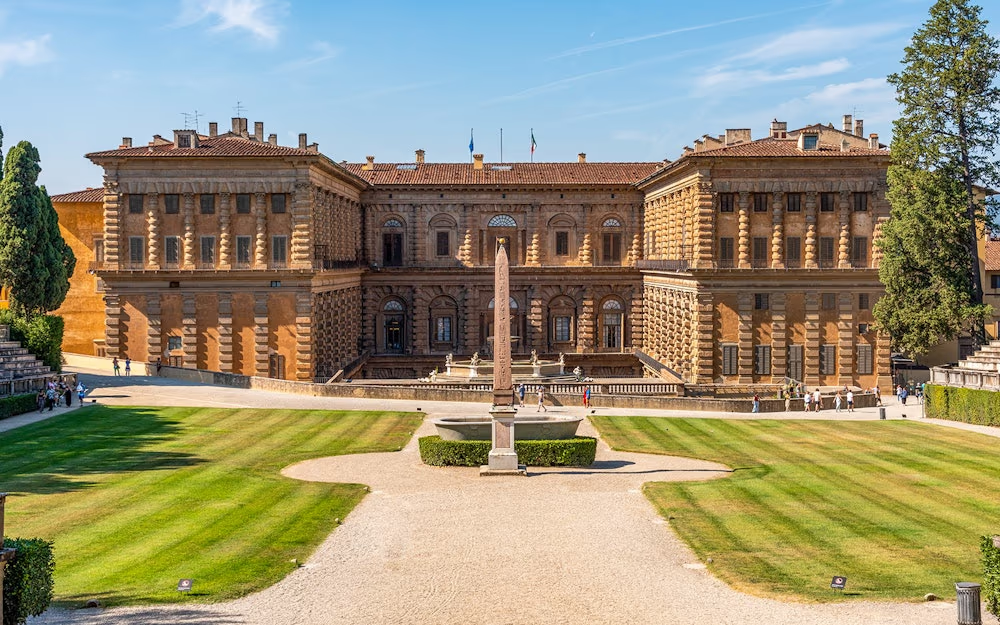
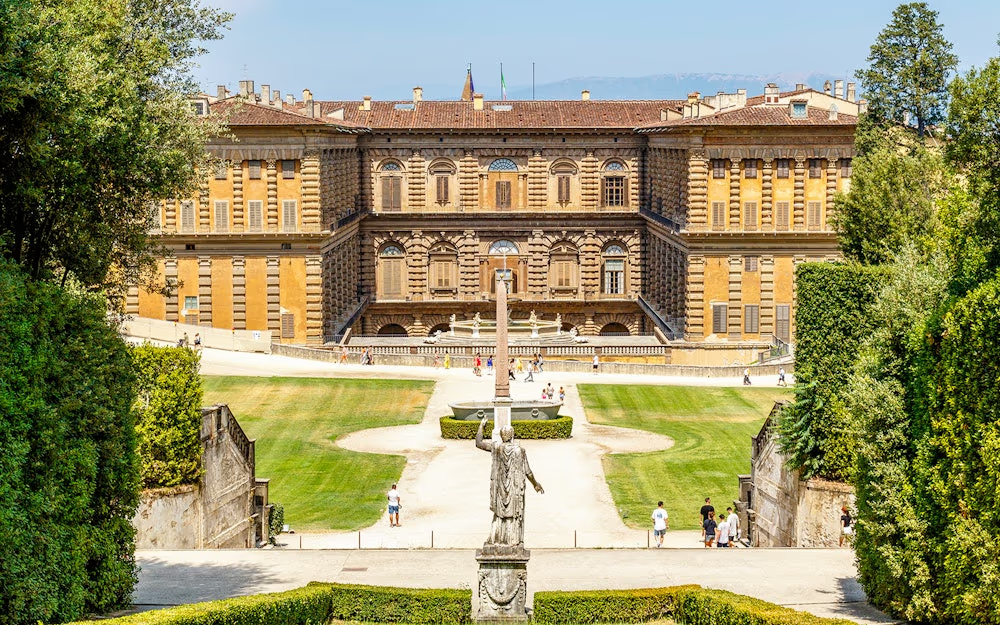
Yes, the gardens periodically host contemporary sculpture installations along the avenues and terraces, included in the garden or combo ticket. Occasional evening events are ticketed separately — again, uffizi.it is the source to check.